You are entering Boundless — a community, a speaker agency, an event producer, an academy, a travel guide, a library — all of it built around helping people explore their full potential.
Life can only be understood backwards, but it must be lived forwards.Søren Kierkegaard
The test of a first-rate intelligence is the ability to hold two opposed ideas in the mind at the same time, and still retain the ability to function.F. Scott Fitzgerald
You are not late.Your diversions were not misdirection.You were being prepared.
Boundless is a movement of people who are sick of staying in one lane, and who want to explore just how much human potential can exist inside of one person.
The great crime of the industrial age was to reduce human beings to machine-like quantification. Just as Romanticism was a reaction to the Enlightenment, Boundless is a reaction to the over-specialisation of the previous century. Human beings were not created to be objectified into facts and statistics, but to truly flourish as individuals — to let their ideas and imaginations propel them to be creators.
Together, we will push each other forward to a better humanity, to be comfortable with uncertainty — because it is in uncertainty that we find alignment with our destiny.
Boundless was created by Alice Wang and Laura Chavez, two friends who wanted to find more like-minded people in a world of NPCs — non-player characters.
The people Boundless represents — speakers, discussion guides and hosts whose range is the point. Booked by conversation, never by cart.
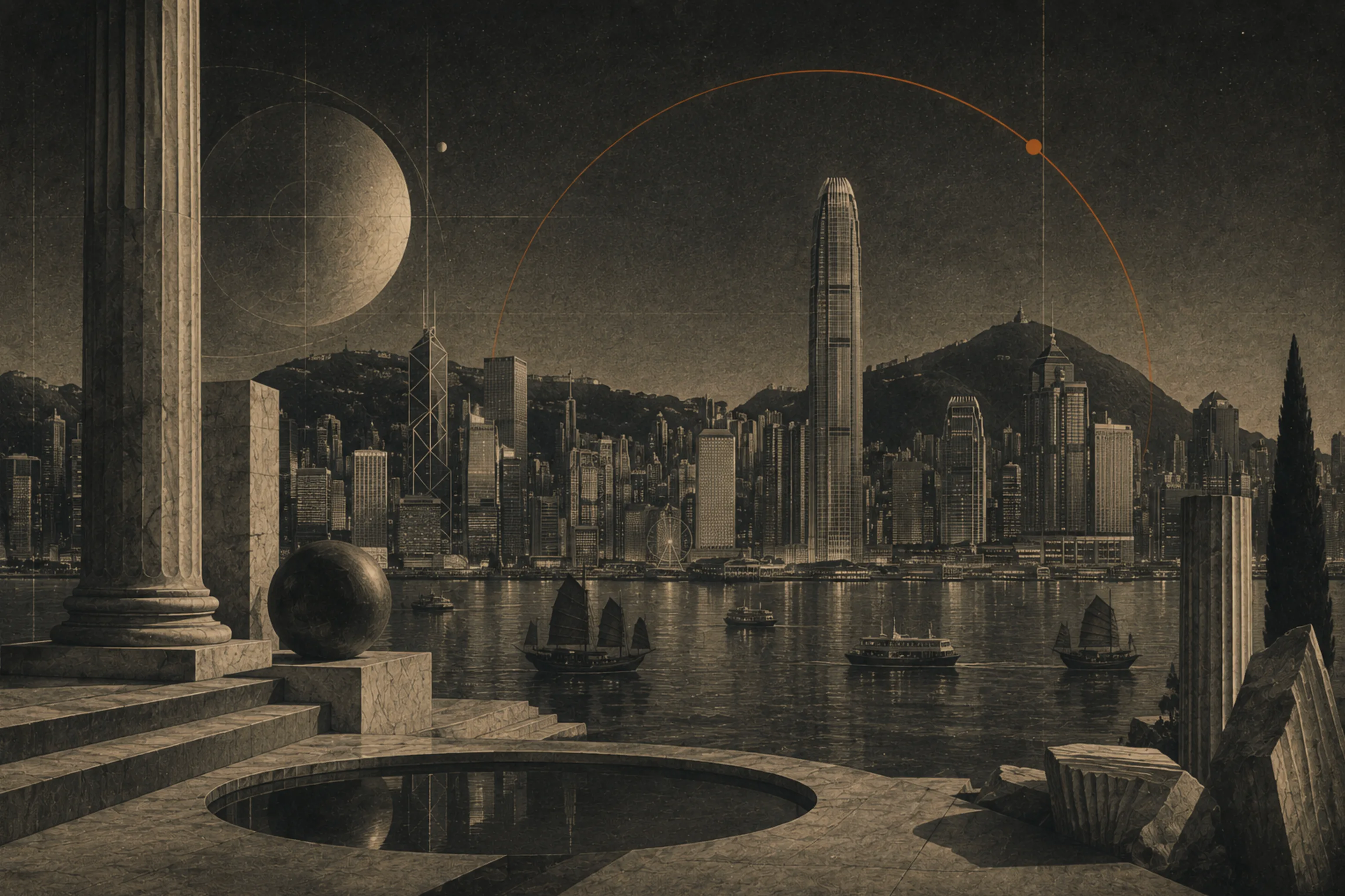
Meridian: Where East and West Refuse to Average
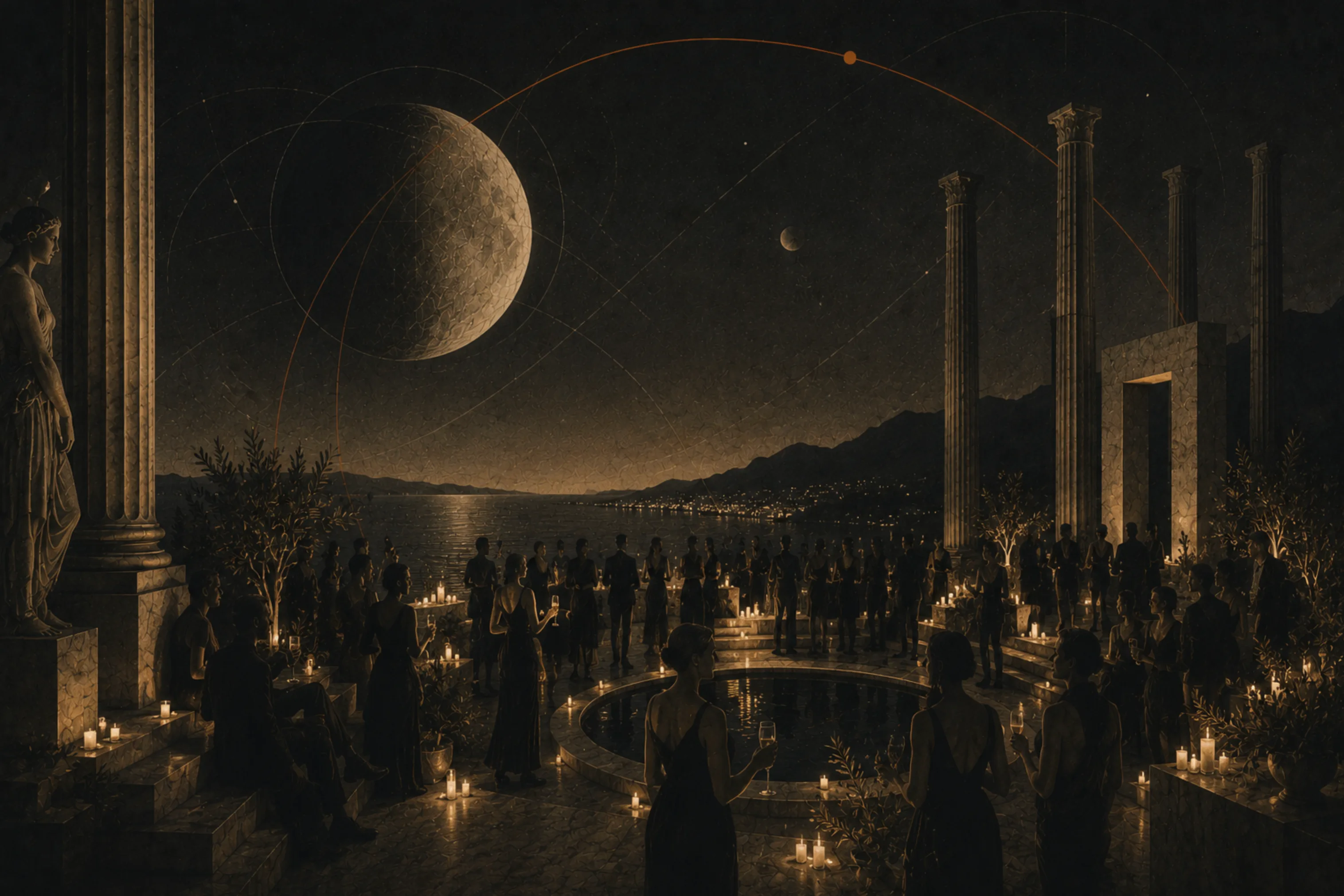
25 Ideas for Advent Season: A Winter Symposium
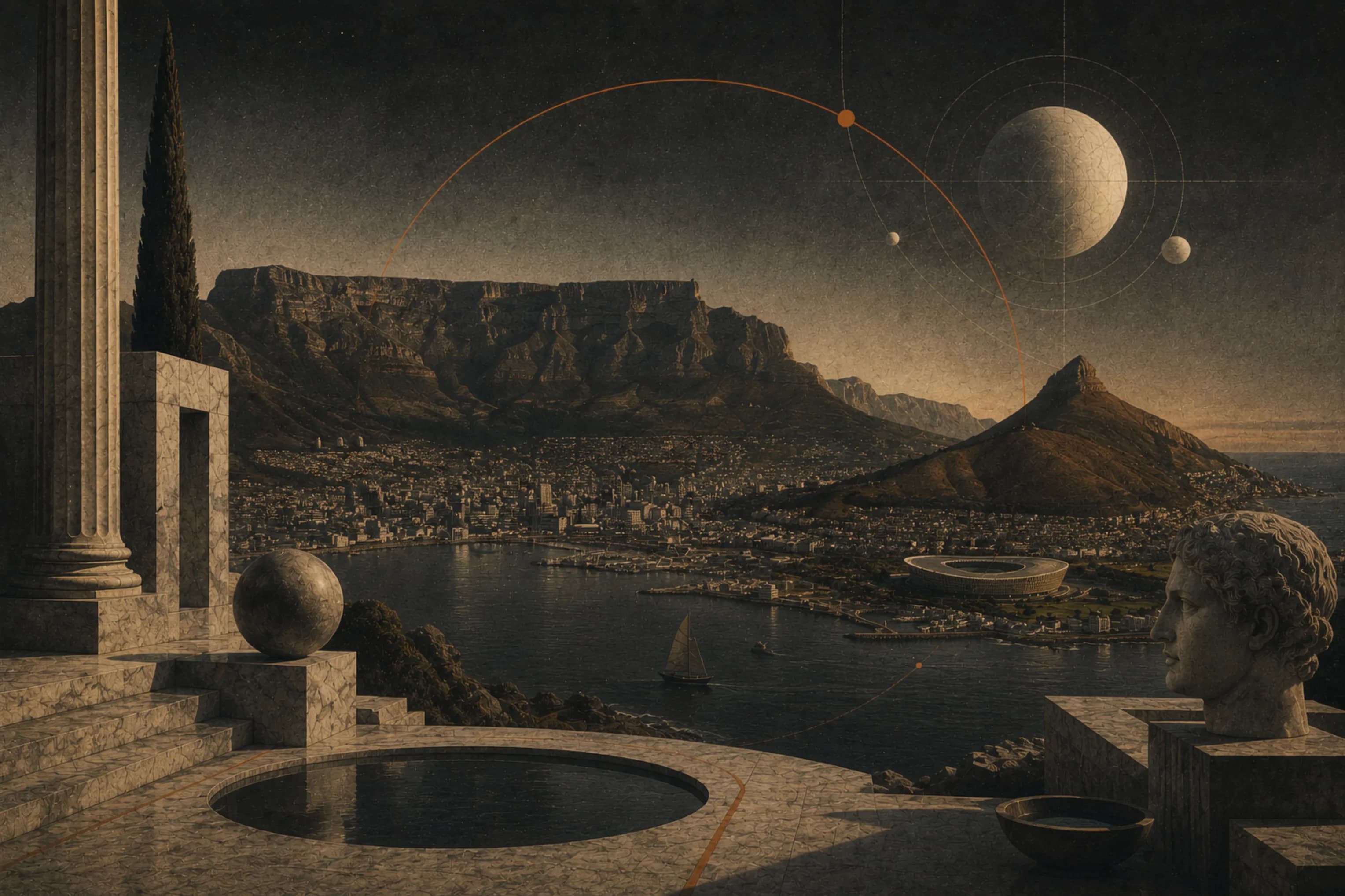
Cape Town: A Season of Renewal
Our six-week courses are taught by actual practitioners — applied disciplines, not theorists. In an age where all analysis, not just knowledge, is accessible with a simple search, we work with relatable, accessible people who have actual skin in the game.
 PlannedRethinking Offline with AI
 PlannedFrom Confucius to Xi: Understanding China
Our favourite places in each city — the ones that unknowingly embody our philosophy.
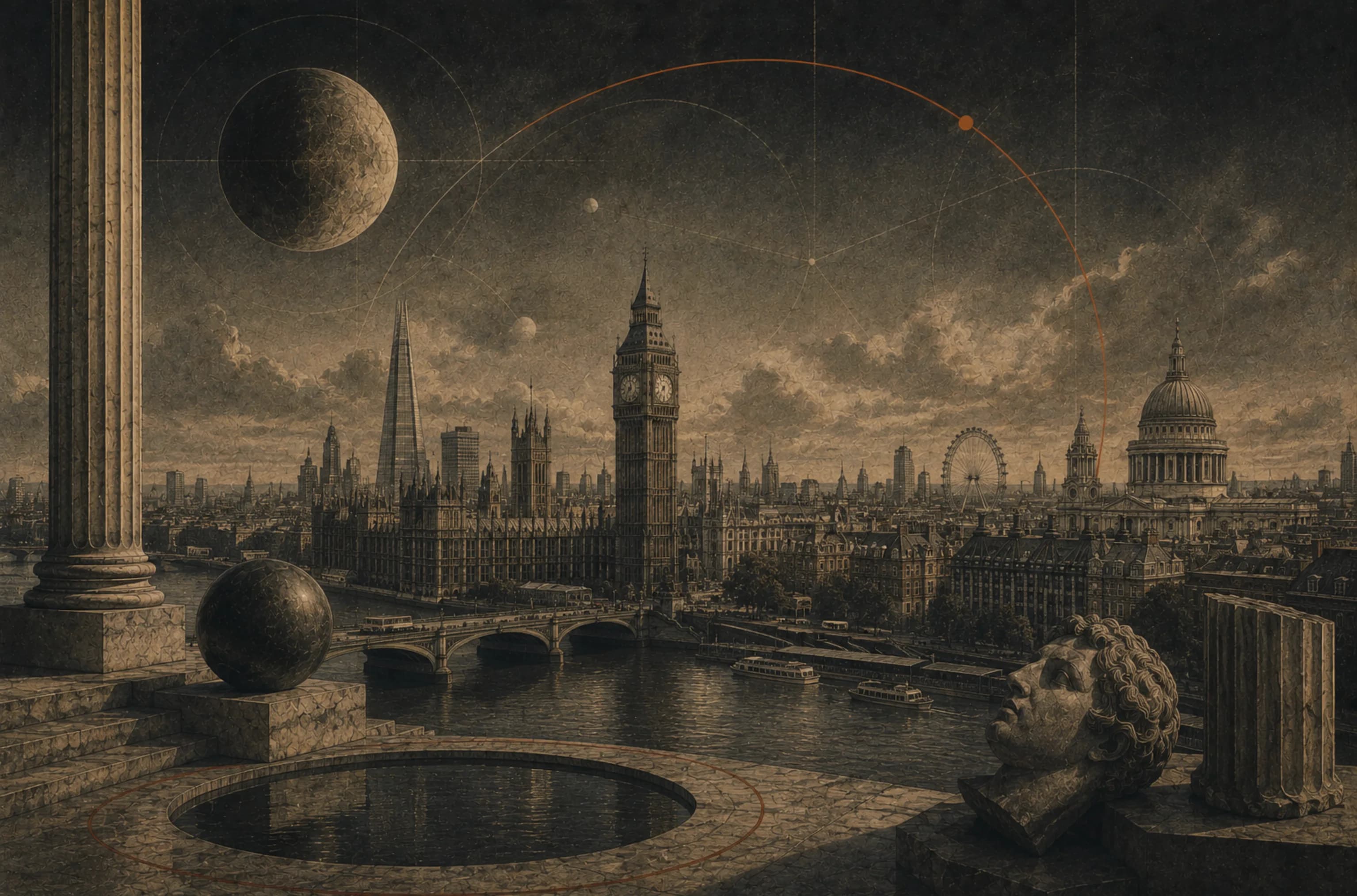
Essays on range, expertise and what happens to work when the boundaries between disciplines stop holding. Occasional, and written to last.

The library seeks to showcase lives and minds who exemplify a Boundless existence — books that intertwine ideas and experiences that feel expansive and magical.
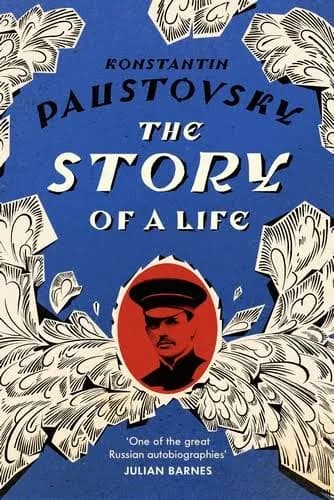
Story of a Life (1945–1963)
A Russian life told across revolution, civil war and everything after — six volumes of it. Paustovsky was a tram conductor, a medical orderly, a factory worker and a reporter before he was a writer, and the book reads like someone who understood that none of that was a detour.

Eros the Bittersweet (1986)
A classicist reads Sappho and finds a theory of desire. Philology, philosophy and criticism held in one hand — the clearest demonstration in print that a discipline is a way of paying attention rather than a fence.

When We Cease to Understand the World (2020)
Schwarzschild, Grothendieck, Heisenberg — real scientists rendered in prose that refuses to say where the record stops and the invention starts. A book about what happens at the edge of a discipline, written from the edge of a genre.

Fictions (1944)
Metaphysics, mathematics and library catalogues treated as material for short stories. Borges worked as a municipal librarian while writing them, which is either irrelevant or the entire point.

The Matter with Things (2021)
Neuroscience, philosophy and epistemology across two volumes, arguing that how we attend to the world determines what we find there. The most sustained modern case against the reduction this project exists to argue with.

How Much Is Enough? (2012)
An economist and his philosopher son asking the question economics forgot it existed to answer: what is money for? Two disciplines in one household, aimed at the same problem — the book is the argument between them.

The Gift (1983)
Anthropology, poetry and economics braided into one argument: that art moves as gift, not commodity, and dies when the market is the only circuit. Nobody standing inside a single one of those fields could have written it.

Liquid Modernity (2000)
The sociologist who named our condition: solid careers, fixed identities and lifelong institutions melting into something you must keep swimming in. Twenty-five years old, and reads like the pre-history of this publication’s thesis.
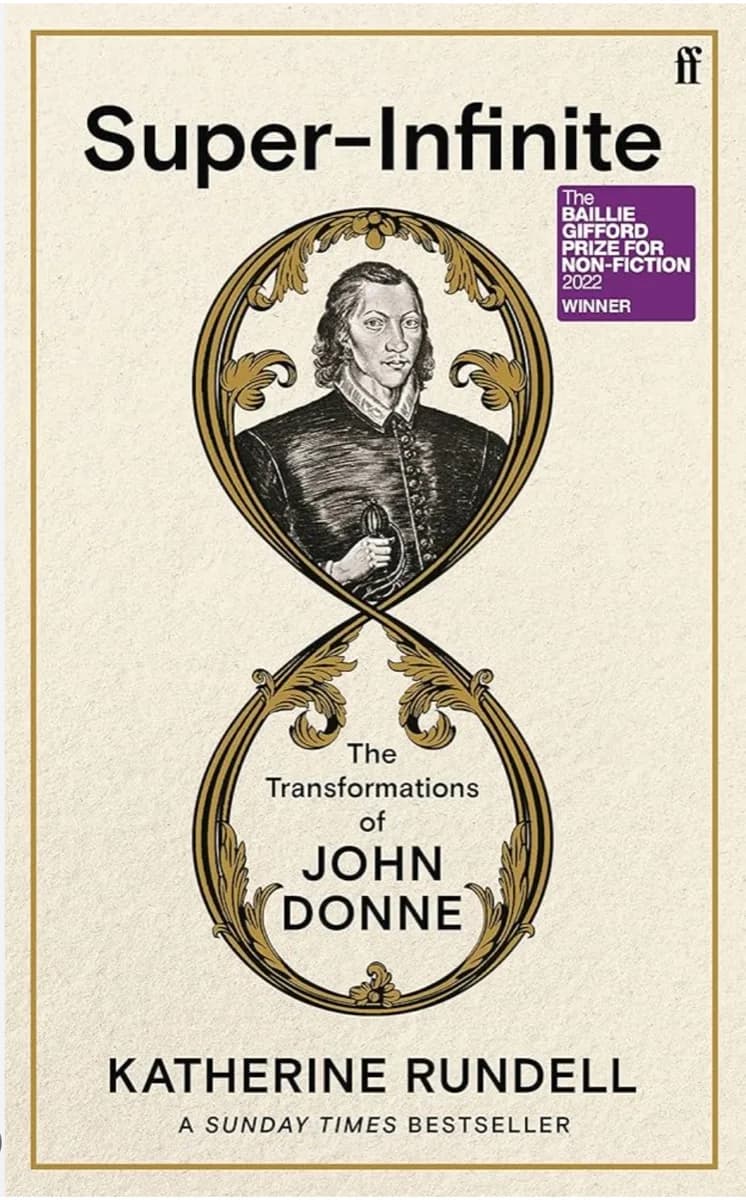
Super-Infinite (2022)
John Donne: poet, lawyer, soldier, MP, sea-adventurer, convert, priest, dean — a man who refused one lane so completely that his biographers still cannot file him. Written, fittingly, by a Renaissance scholar who also writes children’s books.

John Maynard Keynes (2003)
Keynes was a probability theorist, a Bloomsbury aesthete, a ballet-world husband, a currency speculator and a Treasury man — and Skidelsky shows the economics could not have existed without the rest. Range as the engine of the century’s most consequential ideas.

Rites of Spring (1989)
The Great War told through a ballet riot, aviation, and the modernist imagination — history written as if art and war were one subject, because they were. A demonstration that the borders between disciplines are also borders between explanations.
Some links above are affiliate links: if you buy through one, we may earn a small commission at no extra cost to you. It never affects which books appear here — nothing in this library is paid for or sponsored. As an Amazon Associate, The Boundless Era earns from qualifying purchases.
- RenaissanceKnowledge revived
- EnlightenmentKnowledge reasoned
- Industrial AgeKnowledge divided
- The Boundless EraKnowledge recombinedyou are here